
Parallels: which one is better for you? We’ll walk you through how they vary in features’ range, complexity, and cost to help you decide which one answers the description of your circumstances. Article Guide Part 1. Parallels: Differentiating Features Part 2. PROs & CONs of Boot Camp and Parallels Part 3. Parallels Desktop 7 promises Apple users the best Windows experience on the Mac through virtualization. But is it actually better than running Boot Camp? We put both solutions to the test.
Pros and Cons of Boot Camp, Boot Camp-Based VM, and Parallels Desktop Virtual Machine
| Run Windows by Booting Mac from Boot Camp | Parallels Desktop Runs Windows on Boot Camp Partition | Parallels Desktop Runs Windows in a VM | |
|---|---|---|---|
| Performance | Best** | OK | OK |
| Run Windows applications on Mac without reboot | |||
| Disk space usage* | High | High | Low |
| Convenient VM features: Suspend and Resume, Snapshots | *** | ||
| Easy backup | |||
| Easy move to the new Mac |
*See disk space information below.
**While Boot Camp provides performance benefits to high-end graphics-intensive applications, most Office workloads don't benefit from using Boot Camp.
***You can suspend and resume Windows on a Boot Camp partition in Parallels Desktop, but you should not suspend when you reboot your Mac to Boot Camp. Otherwise, the data is lost.
| Run Windows by Booting Mac from Boot Camp | |
|---|---|
| Performance | Best** |
| Run Windows applications on Mac without reboot | |
| Disk space usage* | High |
| Convenient VM features: Suspend and Resume, Snapshots | |
| Easy backup | |
| Easy move to the new Mac | |
| Parallels Desktop Runs Windows on Boot Camp Partition | |
|---|---|
| Performance | OK |
| Run Windows applications on Mac without reboot | |
| Disk space usage* | High |
| Convenient VM features: Suspend and Resume, Snapshots | *** |
| Easy backup | |
| Easy move to the new Mac | |
| Parallels Desktop Runs Windows in a VM | |
|---|---|
| Performance | OK |
| Run Windows applications on Mac without reboot | |
| Disk space usage* | Low |
| Convenient VM features: Suspend and Resume, Snapshots | |
| Easy backup | |
| Easy move to the new Mac | |
*See disk space information below.
**While Boot Camp provides performance benefits to high-end graphics-intensive applications, most Office workloads don't benefit from using Boot Camp.
***You can suspend and resume Windows on a Boot Camp partition in Parallels Desktop, but you should not suspend when you reboot your Mac to Boot Camp. Otherwise, the data is lost.
Amount of free disk space in Boot Camp not available to Mac applications:
Mac users who need to run Windows programs often use the macOS feature, Boot Camp.
While Boot Camp is a useful feature, it has one major downside: you must restart your Mac to boot into Windows and restart your machine again to boot back into macOS.
If you’re reading this, you may be interested in learning how-to run Windows, Linux, or other popular operating systems on your Mac. Over 35% of Parallels Desktop users have made the switch from Boot Camp. You can avoid rebooting your Mac with Parallels Desktop.
If you are a current Boot Camp user, you might be thinking:
Should I create a new virtual machine in Parallels Desktop and start a new Windows installation from scratch? What about all the programs I already have installed on Boot Camp? Do I have to buy another copy on Windows? It’s too much work and too expensive to just ditch Boot Camp entirely!
Read what users are saying about Boot Camp and Parallels Desktop:
(Original tweet can be found here)
To tell you the truth, I had been using Boot Camp for several years prior to my time here at Parallels. I was hesitant to move to virtualization software. But thankfully, Parallels has kept Boot Camp users in mind when creating Parallels Desktop, even as far back as 2006. Believe it or not, you can run your existing copy of Windows in the Boot Camp partition in a new Parallels Desktop virtual machine in a matter of a few simple clicks. We’ve made it sound easy but we would like to prove the benefits of using a virtual machine versus a partitioned hard drive:
Benefits of Using a Boot Camp-based VM:

- You save time.
Every second of your time matters and there are only so many hours in a day to check items off your to-do list. Rebooting your computer shouldn’t be one of them. Parallels Desktop takes less than 1-2 minutes to boot (and now in Parallels Desktop, Windows can be booted is less than 10 seconds!). Compare that to the 4-8 minutes you’d spend to restart your Mac and boot to Windows on a Boot Camp partition. You’re saving HOURS of your life every year with Parallels Desktop.
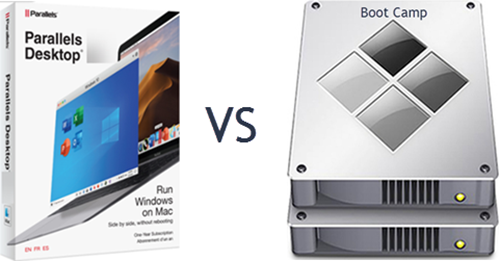
- Work in Windows and Mac simultaneously.
Life becomes simpler when you’re able to use Windows-based applications on a Mac and work with macOS and Windows OS simultaneously. You can; drag and drop, copy and paste, even utilized your Mac’s Trackpad to 3-finger Swipe between OSes. Run Windows applications side by side with Mac applications. For example: use Siri together with a Windows app, or use Cortana to launch a Mac app!
- Easy to access and update data.
The changes you make in Windows programs while working in your VM or when you start your Mac in Windows using native Boot Camp will be reflected in both places. This goes beyond Shared Folders in a virtual machine configuration but you can share hardware, networks, and additional devices between the OSes.
Convert Parallels Vm To Bootcamp
Are you convinced to run Windows on your Mac to avoid rebooting? We’d love to help you get started by teaching you how to set up a Boot Camp-based VM:
There are two ways to use a Boot Camp VM. One, you can run Boot Camp directly in Parallels Desktop as a VM; or two, you can import Windows and your data from Boot Camp into Parallels Desktop.
We will go over the methods more in detail:
How to set Parallels Desktop to run Windows from the Boot Camp partition:
- Start Parallels Desktop.
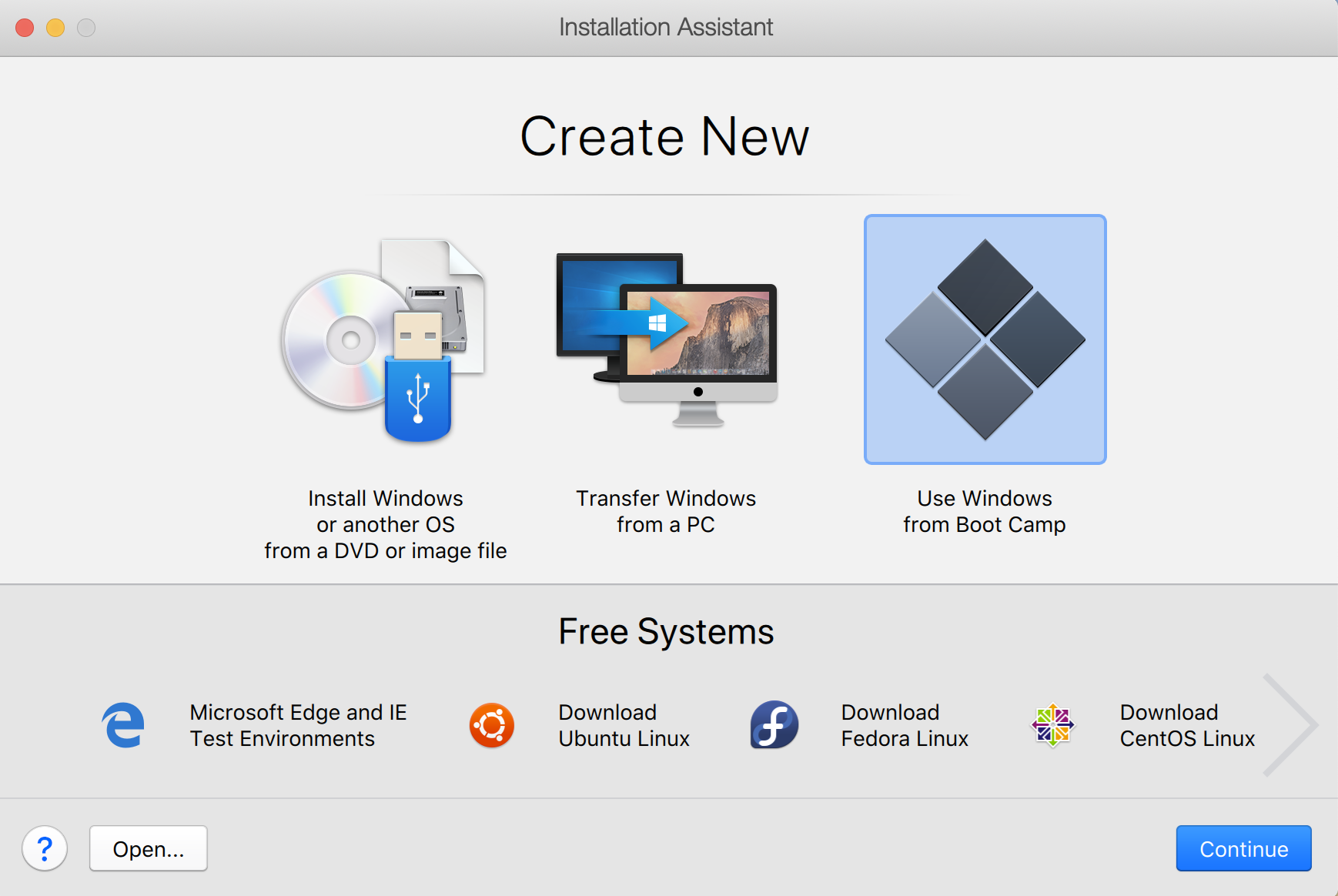
- With Parallels Desktop active, go to your Mac upper menu and select File > New.
- In the Installation Assistant, choose Use Windows from Boot Camp and click “Continue”
(Installation Assistant in Parallels Desktop)
Yes, it’s that easy. Once Microsoft Windows starts in the VM for the first time, it will automatically install Parallels Tools and you’re good to go.
How to import Windows and your data from Boot Camp into Parallels Desktop:
The main difference between this method and the one just discussed is that the “import” function for Boot Camp is usually desired by the user when the user wants to eventually get rid of a Boot Camp partition from their hard drive.
Don’t be mistaken—it doesn’t remove your Boot Camp partition on your hard drive automatically. Instead, it just migrates your Windows into a standalone VM (a .pvm folder on your Mac). The changes you make in the VM after import will not be reflected on the Boot Camp side—they are now separate. Once all the programs and files are on the VM, some users prefer to wipe out Boot Camp to expand the free space on their native Mac hard drive.
Here’s how to import Boot Camp into your Parallels Desktop VM:
- Set Parallels Desktop virtual machine to use Boot Camp, as described above.
- Right-click on the Parallels Desktop icon on your Mac dock and open Control Center
(Control Center for Parallels Desktop within the macOS Dock)
- Right-click on the Boot Camp-based virtual machine and select Import Boot Camp.
- Locate where you want to store Windows and your data and follow the on-screen instructions to complete the import.
- Windows and all your data are imported from Boot Camp. You can still use the original Boot Camp Windows installation, separately from Parallels Desktop.
That’s it! You’re done and can forget about rebooting your Mac! Hopefully, this post has shed a little more light on ways in which Parallels Desktop and Boot Camp can be used together for a better user experience.
If you’re looking for more details on installing Windows on your Mac using Parallels Desktop, there are several options for users and a detailed how-to can be found here.
Parallels Bootcamp To Virtual Machine
Not convinced yet? Watch a video of the creation of a virtual machine from your copy of Windows in Boot Camp:
Export Parallels To Bootcamp
Want to use your Boot Camp partition in Parallels Desktop yourself? Parallels Desktop offers a 14-day free trial.